
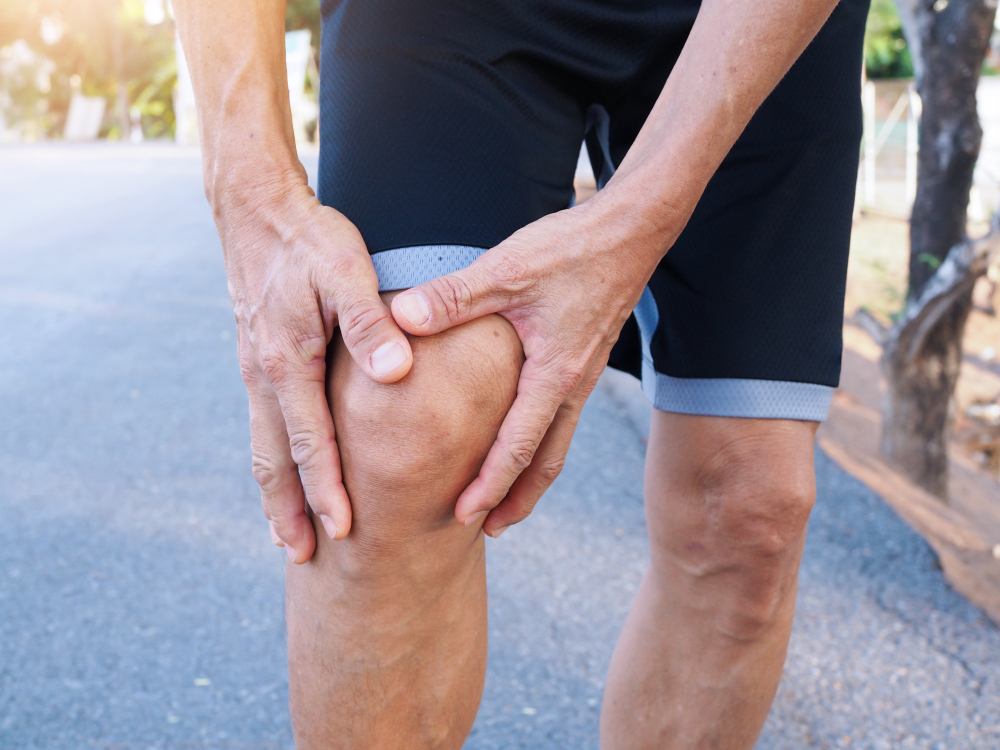
What Are Knee Ligament Injuries?
Knee ligament injuries happen when the tough bands in your knee stretch or tear. These bands, called ligaments, help keep your knee stable. The most common knee ligament injuries include the ACL, PCL, MCL, and LCL. Many people hear about ACL tears, but other ligaments can get hurt too. A knee ligament injury can cause pain and limit movement. Early care helps prevent long-term problems.
Common Symptoms of Knee Ligament Injuries
Often, people notice symptoms right after the injury. However, some signs may appear later. Watch for these common symptoms:
For example, ACL tear symptoms often include a loud pop and sudden swelling. If you notice these signs, seek medical help soon.
Causes and Risk Factors
Knee ligament injuries can happen to anyone. Still, some activities and factors raise the risk. Here are common causes:
Additionally, certain risk factors make injuries more likely:
Because these injuries are common in active people, knowing the risks can help you stay safe.
Diagnosis Methods
Doctors use several steps to diagnose a knee ligament injury. First, they ask about your symptoms and how the injury happened. Then, they check your knee for swelling, tenderness, and movement. Often, doctors use these tests:
With these tools, doctors can find out which ligament is hurt and how bad the injury is.
Treatment Options for Knee Ligament Injuries
Treatment depends on the type and severity of the injury. In many cases, non-surgical care works well. However, some injuries may need surgery. Here are common treatment options:
Non-Surgical Treatments
Most mild to moderate injuries heal with these steps. But, if the ligament is fully torn or the knee feels unstable, surgery may be needed.
Surgical Treatments
After surgery, physical therapy is important for recovery. Your doctor will guide you through each step.
Recovery and Rehabilitation Tips
Recovering from a knee ligament injury takes time. However, following your doctor’s advice helps speed up healing. Here are some tips:
For those wondering how to recover from knee ligament injuries, sticking to rehab is key. Gradually, you will regain strength and movement.
Prevention Strategies
While not all knee ligament injuries can be prevented, you can lower your risk. Try these strategies:
Because prevention is better than cure, these steps help protect your knees.
Conclusion
Knee ligament injuries can cause pain and limit your activities. However, early diagnosis and proper treatment help most people recover well. If you think you have a knee ligament injury, consult an orthopedic specialist at Shraddha Hospital for personalized advice.