
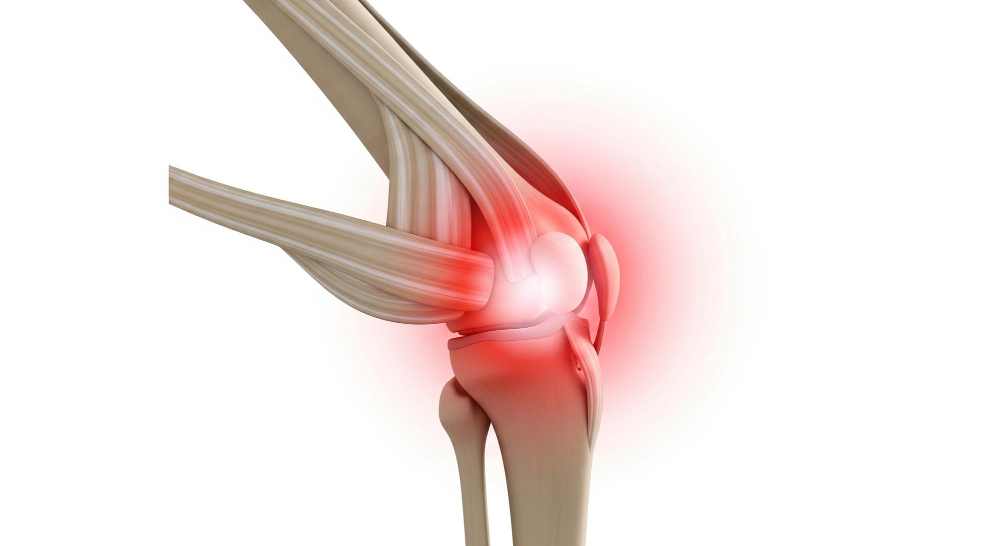
What Is an MCL Tear?
An MCL tear is a common knee injury. The MCL, or medial collateral ligament, helps keep your knee stable. When this ligament tears, it can cause pain and swelling. Many people with an MCL tear notice trouble moving their knee. Often, athletes or active people get this injury. However, anyone can have an MCL tear after a fall or accident. The term “medial collateral ligament injury” also describes this problem. Doctors in orthopedic surgery treat MCL tears using different methods. Early care can help prevent long-term knee problems.
Common Symptoms of an MCL Tear
Right after an MCL tear, you may feel pain on the inside of your knee. Sometimes, swelling appears within a few hours. For example, you might notice these symptoms:
In many cases, walking becomes hard. Yet, some people can still walk, but with discomfort. If you notice these knee ligament tear symptoms, seek medical advice soon.
Causes and Risk Factors
Most MCL tears happen when the knee is forced sideways. For instance, a direct blow to the outside of the knee can stretch or tear the MCL. Sports like football, soccer, and skiing raise the risk. However, simple falls or twisting the knee can also cause a tear. Some risk factors include:
As you can see, both athletes and non-athletes can get an MCL tear. According to the American Academy of Orthopaedic Surgeons, MCL injuries are among the most common knee ligament injuries.
How MCL Tears Are Diagnosed
Doctors use several steps to diagnose an MCL tear. First, they ask about your injury and symptoms. Next, they examine your knee for pain, swelling, and movement. Often, doctors gently move your knee to check for looseness. In many cases, imaging tests help confirm the diagnosis. For example:
Sometimes, doctors use ultrasound to look at the ligament. Early diagnosis helps guide the best treatment plan for your knee.
Treatment Options for MCL Tears
Treatment for an MCL tear depends on how severe the injury is. Most mild or moderate tears heal without surgery. Instead, doctors often suggest:
In rare cases, a severe MCL tear may need surgery. For example, if the ligament is fully torn or the knee is very unstable, surgery may help. After treatment, most people recover well. MCL tear recovery time can range from a few weeks to several months, depending on the injury.
Recovery and Lifestyle Guidance
After an MCL tear, following your doctor’s advice is important. For instance, you may need to use crutches for a short time. Physical therapy helps restore knee strength and flexibility. As you heal, your doctor will guide you on when to return to sports or daily activities. In many cases, people return to normal life within weeks. However, some may need more time, especially after a severe tear. Remember, moving too soon can slow healing. Always listen to your body and your healthcare provider.
Prevention Tips
While not all MCL tears can be prevented, some steps lower your risk. For example:
Additionally, regular stretching can keep your knees flexible. If you have had a knee injury before, wearing a brace may help protect your knee. For those seeking MCL tear treatment in your area, consult Dr. Ankit Patel for expert care and advice.