
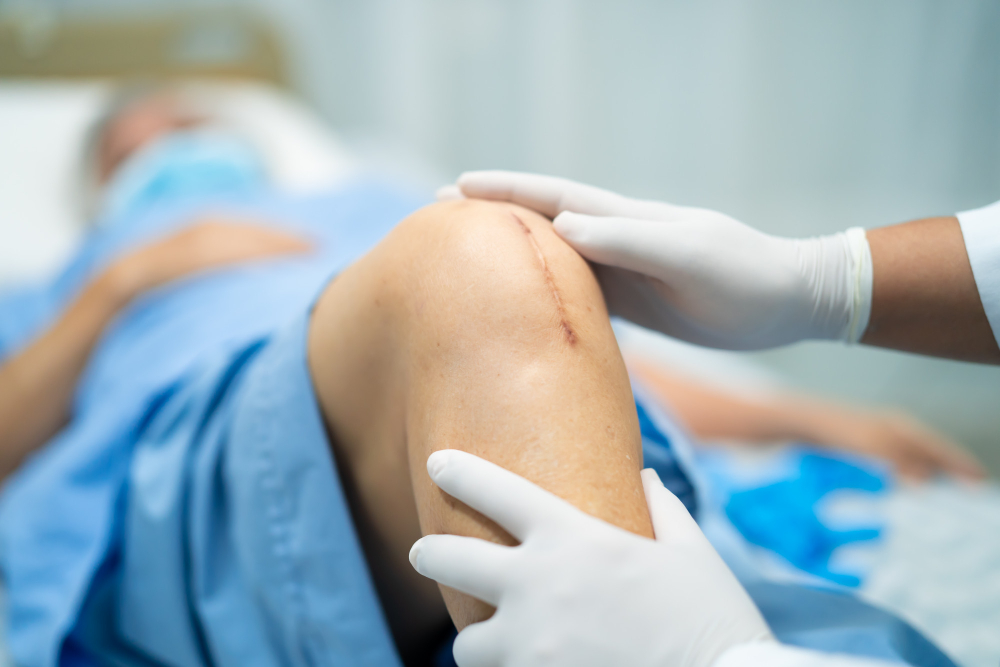
What Is Partial Knee Replacement?
Partial knee replacement is a surgery that treats knee pain from early arthritis. Unlike total knee replacement, this procedure only replaces the damaged part of the knee. Because of this, it is often called minimally invasive knee surgery. Many people choose this option when other knee pain treatment options do not help.
Understanding Early Knee Arthritis
Early knee arthritis happens when the smooth cartilage in the knee starts to wear down. As a result, the bones may rub together and cause pain. Early arthritis often affects only one part of the knee. For this reason, some people may not need a full knee replacement. Instead, partial knee replacement for early arthritis can be a good choice.
Symptoms and Diagnosis of Early Knee Arthritis
At first, symptoms can be mild. However, they may get worse over time. Common signs include:
Doctors use a physical exam and X-rays to diagnose early knee arthritis. Sometimes, they may order an MRI for a closer look. Early diagnosis helps you find the best knee pain treatment options sooner.
Who Is a Candidate for Partial Knee Replacement?
Not everyone with knee pain is a candidate for this surgery. Usually, doctors look for these signs:
For example, people with severe arthritis in several parts of the knee may need a total knee replacement instead. Your doctor will help decide which option is best for you.
Benefits and Risks of Partial Knee Replacement
Partial knee replacement for early arthritis has many benefits. For instance, it often uses a smaller cut, so recovery is faster. Other benefits include:
However, there are some risks. These can include infection, blood clots, or the need for more surgery later. Although rare, some people may still have pain after the procedure.
The Partial Knee Replacement Procedure
During the surgery, the doctor removes the damaged part of the knee. Next, they place a metal and plastic implant in that area. Because only a small part of the knee is replaced, the rest of the knee stays the same. In many cases, this minimally invasive knee surgery takes about one to two hours. Most people can go home the same day or the next day.
Recovery and Rehabilitation
After surgery, recovery starts right away. You may begin moving your knee within hours. Physical therapy helps you regain strength and movement. For most people, walking with help is possible within a day. Many people return to daily activities in four to six weeks. However, full recovery may take several months. Following your doctor’s advice can help speed up healing.
Lifestyle Tips After Partial Knee Replacement
Staying active is important after surgery. For example, walking, swimming, and cycling are good choices. These activities are gentle on your new knee. In addition, keeping a healthy weight can reduce stress on the joint. Your doctor may also suggest avoiding high-impact sports, such as running or jumping. Always follow your physical therapist’s instructions for the best results.
Prevention and Long-Term Knee Health
Even after surgery, taking care of your knees is important. You can protect your knee by:
With these steps, you can help your knee stay healthy for years to come.
Conclusion
If you have knee pain or early arthritis, talk to Dr. Ankit patel about your options. The orthopedic team can help you decide if partial knee replacement is right for you.