
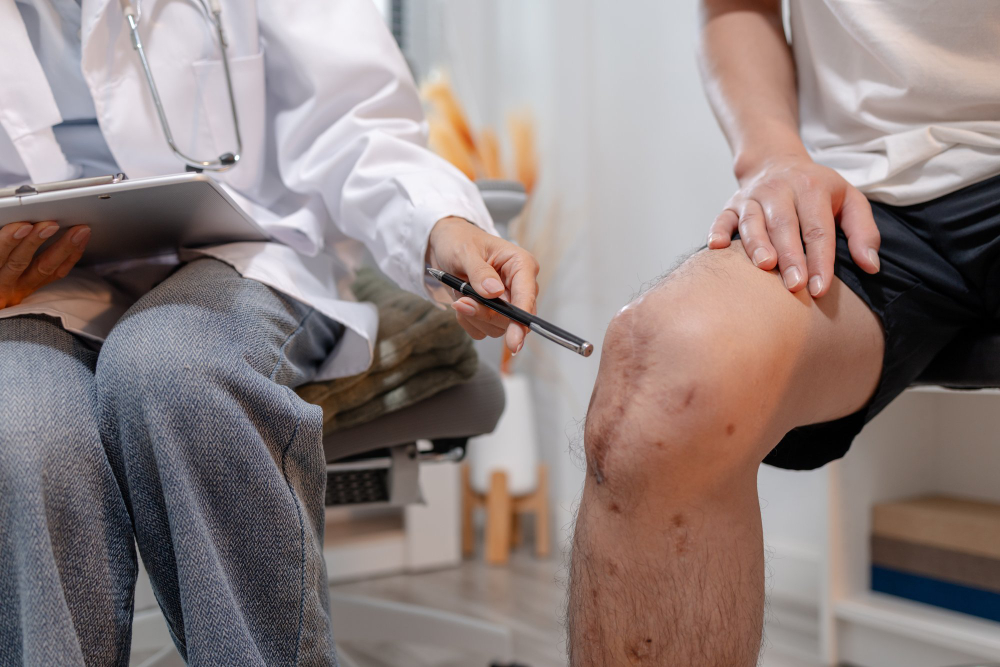
What Is a Meniscus Tear?
A meniscus tear is a common knee injury. The meniscus is a piece of cartilage in your knee. It acts like a cushion between your thigh bone and shin bone. When this cartilage tears, it can cause pain and swelling. Many people experience a meniscus tear during sports or daily activities. According to the CDC, knee injuries like this are frequent, especially in active adults.
Common Symptoms of a Meniscus Tear
Often, people notice symptoms soon after the injury. However, some symptoms may appear slowly. For example, you might feel pain or swelling in your knee. In many cases, the knee may feel stiff or hard to move. Sometimes, you may hear a popping sound at the time of injury. Additionally, you might notice these signs:
If you notice these meniscus tear symptoms, you should see a doctor for advice.
Causes and Risk Factors
Most meniscus tears happen during activities that put pressure on the knee. For instance, sudden twists or turns can cause the cartilage to tear. Athletes in sports like soccer or basketball are at higher risk. Yet, anyone can have a meniscus tear, even from kneeling or squatting. Age is also a factor. As people get older, the meniscus can weaken and tear more easily. Other risk factors include:
Because these risks are common, it is important to protect your knees during daily activities.
How Meniscus Tears Are Diagnosed
Doctors use several steps for knee injury diagnosis. First, they ask about your symptoms and how the injury happened. Next, they examine your knee for swelling, tenderness, and movement. Sometimes, doctors use special tests to check for a meniscus tear. For example, they may bend and twist your knee to see what hurts. In many cases, imaging tests help confirm the diagnosis. These tests include:
With these tools, doctors can find the cause of your knee pain and plan the best treatment for meniscus tear.
When Is Arthroscopic Repair Needed?
Sometimes, a meniscus tear needs surgery. Arthroscopic meniscus repair is a common procedure. During this surgery, doctors use small tools and a camera to fix the tear. Not every tear needs surgery. However, arthroscopic repair may be needed if:
Because arthroscopic surgery is less invasive, recovery is often quicker than with open surgery. Still, your doctor will decide if this is the best option for you.
Non-Surgical Treatment Options
Many meniscus tears heal without surgery. In fact, doctors often suggest non-surgical treatment first. For example, you may need to rest your knee and avoid activities that cause pain. Other helpful steps include:
If these steps help, you may not need surgery. However, if symptoms last, your doctor may suggest other treatments for meniscus tear.
Prevention and Lifestyle Tips
Even though meniscus tears are common, you can lower your risk. For instance, warming up before exercise helps protect your knees. Additionally, building strong leg muscles supports the knee joint. Here are some tips to help prevent a meniscus tear:
By following these steps, you can help keep your knees healthy and lower your risk of injury.
Start your journey towards better health with expert guidance.