What Is Recurrent Shoulder Dislocation?
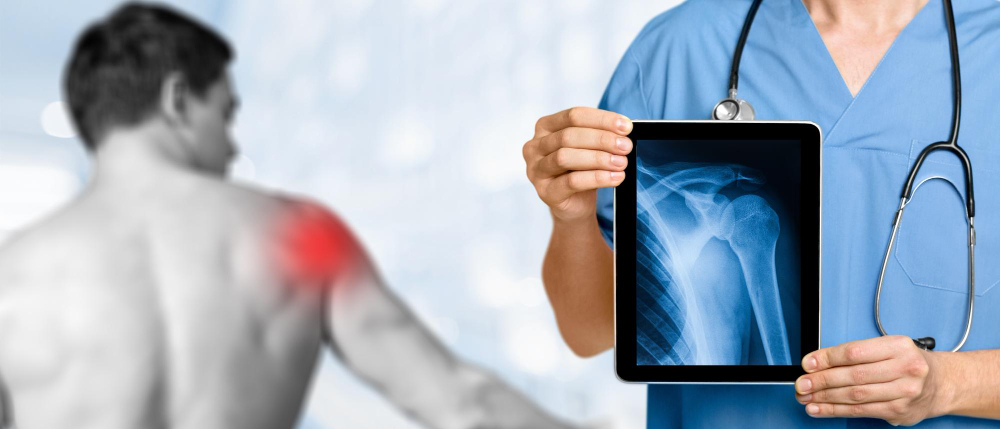
Recurrent shoulder dislocation means the shoulder joint slips out of place more than once. This problem is common in young adults and athletes. In fact, studies show that up to 90% of people under 20 who dislocate their shoulder once may have it happen again. Because the shoulder is the most mobile joint in the body, it is also the most likely to dislocate. When it happens more than once, doctors call it shoulder instability. Early treatment can help prevent more damage.
Common Causes of Recurrent Shoulder Dislocation
Many things can lead to repeated shoulder dislocation. For example, a strong hit or fall can stretch or tear the tissues that hold the joint in place. Sometimes, the first injury never heals fully, making the shoulder weak. In addition, some people are born with loose joints or weak shoulder muscles. This makes them more likely to have problems. Here are some common causes of repeated shoulder dislocation:
Because the causes can vary, a doctor will check your history and symptoms to find the best shoulder instability treatment.
Symptoms and Diagnosis
When the shoulder keeps slipping out, you may notice several signs. For instance, you might feel pain or a popping sound when moving your arm. Sometimes, the shoulder looks out of place or feels weak. Other symptoms include:
Doctors use a physical exam and your medical history to make a diagnosis. They may also order X-rays or an MRI scan. These tests help show if there is damage to bones, muscles, or ligaments. Early diagnosis is important to prevent more injuries.
Arthroscopic Stabilisation Surgery: An Overview
For many people, arthroscopic shoulder surgery is a safe way to fix shoulder instability. During this surgery, the doctor uses a tiny camera and small tools. They make a few small cuts around the shoulder. Because the cuts are small, healing is often faster than with open surgery. The surgeon repairs or tightens the tissues that keep the joint in place. Sometimes, they use stitches or anchors to hold the tissue. This method is less invasive and often leads to good results. According to medical studies, over 85% of patients have fewer dislocations after this procedure.
Benefits and Risks of Arthroscopic Surgery
Arthroscopic stabilisation surgery offers many benefits. For example, it usually causes less pain and scarring than open surgery. Recovery is often quicker, so you can return to daily life sooner. Here are some key benefits:
However, as with any surgery, there are some risks. These may include:
Because each person is different, your doctor will discuss these risks before surgery.
Recovery and Lifestyle Guidance After Surgery
After arthroscopic shoulder surgery, recovery is important. At first, you may need to wear a sling to keep your shoulder still. Physical therapy usually starts soon after. This helps you regain strength and movement. Most people can return to light activities in a few weeks. However, sports or heavy lifting may need to wait several months. Here are some tips for recovery:
Because recovery times can vary, always check with your doctor before returning to sports or work.
Prevention Tips for Shoulder Dislocation
Even after treatment, you can take steps to lower the risk of another dislocation. For example, you can strengthen the muscles around your shoulder. This helps keep the joint stable. Here are some prevention tips:
Because early care and smart habits can help, talk to your doctor if you notice any signs of shoulder instability.
Conclusion
If you have shoulder pain or repeated dislocations, Dr. Ankit Patel is here to help. Book a consultation today to discuss your treatment options and get expert care.