
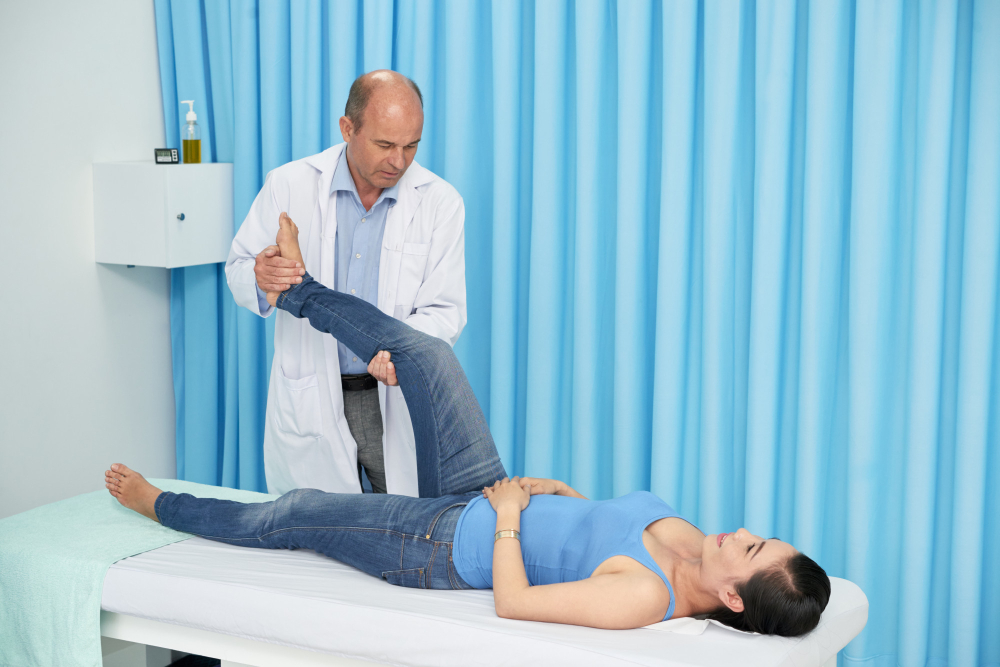
Introduction to Total Hip Replacement (THR)
Total hip replacement is a common orthopedic surgery for hip pain. Many people choose this procedure when hip pain limits daily life. In fact, doctors often recommend total hip replacement when other treatments do not help. During this surgery, the damaged hip joint is replaced with an artificial one. As a result, many patients experience less pain and better movement. According to the World Health Organization (WHO), hip replacement can improve quality of life for those with severe hip problems.
Symptoms Indicating the Need for THR
Some symptoms may suggest you need a total hip replacement. However, not everyone with hip pain needs surgery. Watch for these signs:
For example, if you find it hard to do daily tasks, it may be time to talk to a doctor. Early action can help prevent further joint damage.
Causes and Risk Factors Leading to THR
Many conditions can damage the hip joint. As a result, some people may need total hip replacement. Common causes include:
Additionally, certain risk factors increase your chances of needing THR. These include:
Because these factors can add up, it is important to manage your health and stay active.
Diagnosis Process for THR Candidacy
Doctors use several steps to decide if you need total hip replacement. First, they ask about your symptoms and medical history. Next, they perform a physical exam to check your hip movement and pain. After that, imaging tests such as X-rays or MRI scans help show the damage inside the joint. Sometimes, doctors may try other treatments before suggesting surgery. For example, they might recommend physical therapy or pain medicine. If these do not help, you may be a good candidate for THR.
Overview of the THR Surgical Procedure
Total hip replacement is usually done in a hospital. During surgery, the doctor removes the damaged parts of your hip joint. Then, they replace them with artificial parts made of metal, plastic, or ceramic. The surgery often takes about two hours. Because doctors use special tools, the new hip fits well and moves smoothly. Most patients stay in the hospital for a few days. However, recovery starts soon after the procedure.
Recovery Timeline and Rehabilitation Tips
Recovery after THR surgery is a step-by-step process. In the first few days, you may use a walker or crutches. Physical therapy starts early to help you regain strength. Typically, most people can:
To speed up recovery, follow these tips:
Because every person heals differently, always follow your doctor’s advice for THR surgery recovery.
Lifestyle Guidance After THR
After total hip replacement, you can enjoy many activities again. However, some changes help protect your new hip. For example, choose low-impact exercises like walking, swimming, or cycling. These activities keep your hip strong without too much stress. Additionally, maintain a healthy weight to reduce pressure on the joint. Avoid high-impact sports, such as running or jumping, as these can damage the new hip. With the right care, your artificial hip can last many years.
Prevention of Hip Joint Problems
While not all hip problems can be prevented, some steps lower your risk. For instance, stay active and exercise regularly to keep your joints healthy. Eat a balanced diet rich in calcium and vitamin D for strong bones. If you play sports, use proper gear and techniques to avoid injuries. Also, maintain a healthy weight to reduce stress on your hips. Early treatment of hip pain can prevent further damage. Because prevention is key, talk to your doctor if you notice any hip discomfort.
Consult an orthopedic specialist at Shraddha Hospital for personalized advice on total hip replacement.